How Long Do Windows Last? Lifespan & When to Replace
Windows are designed to last for decades, but their actual lifespan can vary depending on several factors over time. If you’ve started noticing changes in comfort, performance, or how your windows look, you might be wondering how long windows last and what that means for your home.
That is why window life expectancy is not just about age. Some older windows still perform well, while some newer ones may show wear sooner than expected. Condition, performance, and overall functionality matter just as much as the number of years.
In this guide, you’ll learn what window lifespan really means, what affects how long windows last, how to evaluate your current windows, and when it may be time to consider repair or replacement.
Quick Answer: How Long Do Windows Last?
Windows typically last 20 to 30 years, but their lifespan can vary depending on the material, installation quality, and environmental exposure. In many cases, well-maintained windows may last longer, while others may show signs of wear earlier.
Age alone does not determine whether a window is still performing well. Condition, comfort, and how the window functions are just as important as how old it is.
What “Window Lifespan” Really Means
When people ask how long windows should last, they are usually hoping for one clear number. But in reality, window lifespan is more of a range than a fixed deadline.
Lifespan is a range, not a fixed number
Windows do not come with an exact expiration date. Two windows that were installed at the same time may age differently depending on how they were built, where they are located, and how much wear they experience over time.
That means the life expectancy of windows is often influenced by more than just age.
Why two windows can age differently
Even in the same house, not all windows age the same way. One side of the home may get more sun, wind, or moisture. Some windows may be opened and closed often, while others stay shut most of the time.
Maintenance matters too. Small issues like worn seals, moisture exposure, or minor damage may become bigger problems if they are ignored.
Key takeaway
Age matters, but condition matters just as much. A window that is 25 years old may still be serviceable, while another may show signs of decline much sooner.
Average Life Expectancy of Windows
The average life of windows is usually measured in decades, not just a few years. For many homeowners, the general expectation is that windows may last around 20 to 30 years under normal conditions.
General lifespan range
Most residential windows are often expected to last about 20 to 30 years. That is a helpful starting point, but it should not be treated as a guarantee.
Some windows may last longer with proper maintenance and favorable conditions. Others may need attention sooner if they were poorly installed or exposed to harsh weather over time.
Can windows last 40 to 50 years?
In some situations, yes. Certain windows may last 40 years or even longer, especially if they were well made, properly installed, and carefully maintained.
But that does not mean every old window is still performing well. A window may remain in place for decades while still losing efficiency, becoming harder to operate, or showing signs of wear.
What lifespan does not mean
A window lifespan is not a guarantee or a strict replacement deadline. It can vary widely from one home to another.
The goal is not to focus only on the number of years, but to understand what that number means for how your windows are performing today.
What Affects How Long Windows Last
Several factors can affect how long house windows last. Some are built into the window from the beginning, while others develop over time.
Material
Different window materials can vary widely in how they age.
- Vinyl windows are widely used and are often considered low maintenance.
- Wood windows may last a long time with proper care, but they can be more vulnerable to moisture and wear if neglected.
- Aluminum windows are durable, but performance can vary depending on climate and exposure.
Material matters, but it is only one part of the picture.
Installation quality
Even a well-made window may not last as long if it was poorly installed. Proper fit, sealing, and overall workmanship can make a big difference in long-term performance.
Poor installation may lead to air leaks, moisture issues, or premature wear.
Environment and exposure
Windows are constantly exposed to the elements. Sun, humidity, rain, temperature changes, and seasonal weather can all affect how they age.
In many cases, windows that face stronger sun or harsher weather may show wear faster than those in more protected areas.
Maintenance over time
Small problems often become more serious when they are ignored. Keeping windows clean, checking for early signs of wear, and addressing minor issues may help extend their useful life.
That does not mean maintenance prevents all problems, but it can influence how long windows last in a house.
How Often Do Windows Need to Be Replaced?
At some point, you may start asking how often windows need to be replaced and whether your windows are getting close to that point.
Replacement is not strictly based on age
Windows do not need to be replaced just because they reach a certain birthday. Some may still perform well after 20 years, while others may begin struggling earlier. That is why replacement decisions should be based on condition and performance, not age
alone.
Typical replacement timing
In many cases, homeowners begin evaluating their windows somewhere between 15 and 30 years. That does not mean replacement is automatically needed during that time. It simply means that age-related wear may become more noticeable.
What affects timing
A homeowner may start considering replacement sooner if the windows show:
- Repeated drafts or air leaks
- Difficulty opening or closing
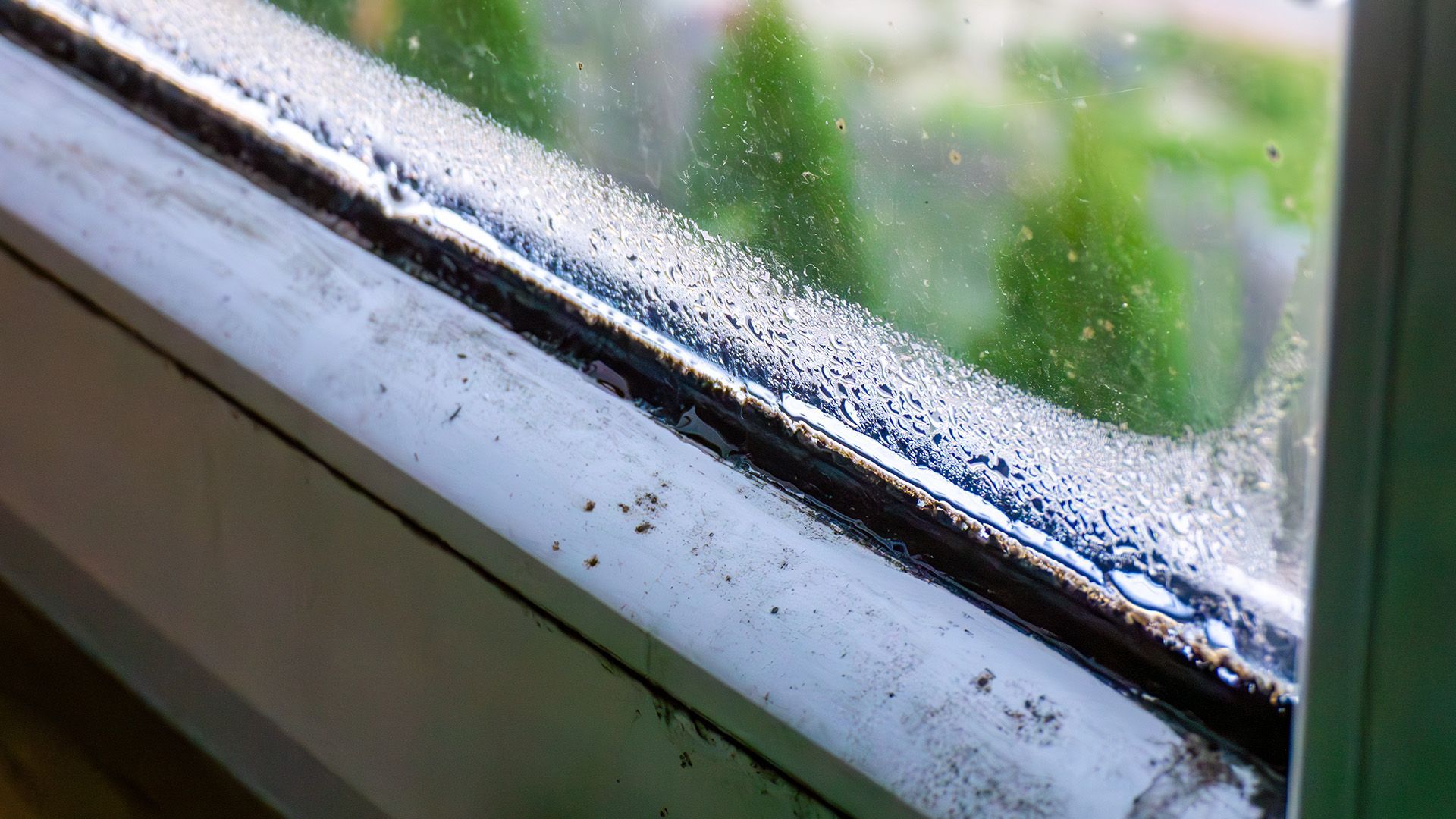
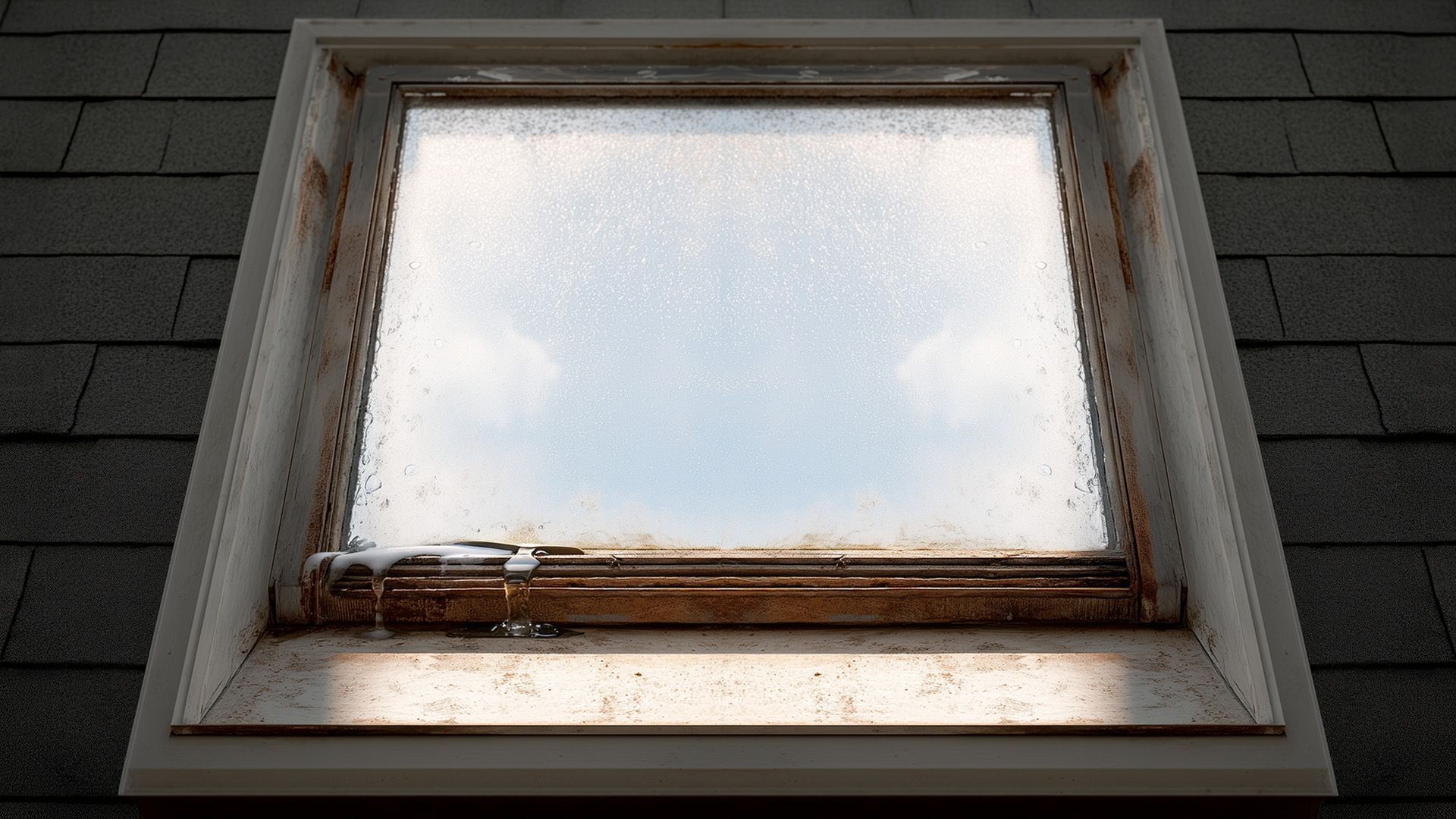
- Visible wear or damage
- Declining comfort or efficiency
- Multiple issues across several windows
This is often why home windows should be replaced depending on what the windows are doing, not just how old they are.
If your windows are showing early signs of wear—such as drafts or reduced comfort—some issues may still be improved without full replacement. In those cases, learning how to fix drafty windows can be a helpful next step.
Simple Decision Guide: Are Your Windows Still Good?
This is where the question becomes more personal. Instead of asking only how long windows last, it helps to ask whether your windows are still performing normally.
Quick evaluation questions
Ask yourself:
- Are your windows under about 10 to 15 years old?
- Do they still open and close smoothly?
- Are you noticing drafts, air leaks, or reduced comfort nearby?
- Has performance changed over time?
- Do multiple windows seem to have the same issues?
What your answers may suggest
If your windows are not showing noticeable issues, they may still be within a normal lifespan range.
If you are seeing a few minor problems, repair or monitoring may make sense.
If multiple windows are showing performance issues, they may be nearing the end of their lifespan or may need a closer evaluation.
Key takeaway
The lifespan of windows matters, but performance is often the better indicator. The number of years gives context. The condition of the window helps guide the decision.
Window Lifespan by Material
While no material comes with a guaranteed lifespan, this simple comparison can help set expectations.
| Window Type | Typical Lifespan | Notes |
|---|---|---|
| Vinyl | Around 20–30 years | Low maintenance and widely used |
| Wood | Around 20–30+ years | May last longer with proper care |
| Aluminium | Around 20–30 years | Durable, but performance may vary by climate |
These ranges are general and may vary based on installation, maintenance, and weather exposure.
Mistakes To Avoid When Interpreting Window Lifespan
People often assume window age tells the whole story, but that can lead to the wrong decision.
Assuming all windows last the same number of years
Windows can vary widely by material, location, and maintenance history. A single number rarely tells the full story.
Replacing windows based on age alone
Age can be helpful, but it should not be the only factor. A window that is older may still be functioning well, while a younger one may already be showing issues.
Ignoring performance problems because the windows are “not that old”
Some homeowners assume newer windows cannot have problems. But installation issues, wear, and exposure may still affect performance earlier than expected.
When to Consider Repair vs Replacement
At a certain point, you may find yourself asking not just how long windows last, but what you should actually do next.
When repair may be enough
Repair may make sense when:
- The issue is isolated
- The window is still structurally sound
- The problem involves minor wear, sealing, or performance issues
- Most other windows in the home are still doing well
In some cases, a window repair evaluation can help determine whether a targeted repair is practical.
When replacement may be considered
Replacement may be worth considering when:
- Multiple windows are showing problems
- Materials are aging across the home
- Performance has declined noticeably
- Repair would not meaningfully improve long-term function
This is not about pushing replacement. It is about understanding when repair may no longer be the most practical path.
What a professional evaluation can clarify
A professional evaluation can help determine:
- Whether your windows are still performing well
- Whether repair may solve the issue
- Whether replacement should be considered
- Which next step is the most practical for your situation
If you are in Jefferson City, Columbia, Lake of the Ozarks, or surrounding Mid-Missouri communities, a local glass professional can help evaluate your windows and determine the most practical next step.
FAQs About Window Lifespan
How often should windows be replaced?
It depends on condition, but many homeowners begin evaluating their windows around 15 to 30 years. Replacement is usually based on performance, not age alone.
Can windows last 50 years?
In some cases, yes. Windows may last that long if they were well installed, carefully maintained, and not heavily affected by exposure or wear.
How do I know if I need new windows?
Signs like drafts, difficulty operating, visible wear, or reduced comfort may indicate aging or performance issues. Those signs do not always mean replacement is needed, but they often suggest the windows should be evaluated.
Are 20-year-old windows still good?
They can be. Some 20-year-old windows still perform well, while others may show wear. Age alone does not determine whether they are still in good condition.
Do all windows last the same amount of time?
No. Window lifespan can vary by material, installation quality, maintenance, and exposure to weather over time.
Final Thoughts
If you are asking how long windows last, the most helpful answer is that most windows last around 20 to 30 years, but that number only tells part of the story. Condition, performance, maintenance, and exposure all affect how long windows remain functional.
That is why age alone does not determine what you should do next. Some windows may still perform well after decades, while others may begin showing issues much sooner.
If your windows are approaching the later years of their lifespan or starting to show performance issues, it can be helpful to understand whether those changes are expected or a sign of a larger problem. A professional evaluation can help determine how your windows are performing today and whether repair or replacement is the more practical next step.
If you’re in Jefferson City, Columbia, or the Lake of the Ozarks, you can contact Brady’s Jefferson City Glass Company to evaluate your windows and recommend the most practical next steps based on their condition and performance.