How To Fix Drafty Windows: Easy DIY Solutions

If you’re wondering how to fix drafty windows, you’re not alone. Drafty windows happen when outside air enters through small gaps around the frame, worn weatherstripping, or deteriorating window materials. This can make rooms feel colder, increase heating costs, and reduce overall comfort during colder months.
The good news is that some draft problems can be improved with simple fixes. Sealing small gaps, replacing worn weatherstripping, or adding temporary insulation may help reduce drafts and improve comfort. But the right solution depends on the condition of the window. In some cases, a persistent draft may point to a larger repair issue.
In this guide, you’ll learn how to tell if your windows are drafty, what usually causes the problem, which DIY fixes may help, and when it may be time to consider professional drafty window repair.
Quick Answer: How To Fix Drafty Windows
Drafty windows can often be fixed by sealing gaps around the frame, replacing worn weatherstripping, or applying new caulk where air is entering. These simple repairs can help reduce drafts and improve insulation, especially if the window itself is still in good condition. However, if the draft is caused by damaged frames, failed seals, or installation issues, more extensive repair may be needed.
Signs Your Windows Are Drafty
Before trying to fix the problem, it helps to confirm that outside air is actually entering through the window area. Some signs are obvious, while others are more subtle.
What drafts feel like
When a window is drafty, it often creates a noticeable cold spot in the room. You may feel cool air near the frame, sash, or trim. On windy days, the airflow may become even easier to notice.
Other common signs include:
- A room that feels colder near the window than in the center
- Curtains that move slightly even when the window is closed
- Higher heating use in certain rooms
- A general feeling that your home loses heat too quickly
Quick ways to check for a window draft
You do not need special equipment to do a simple check.
Try these safe, easy methods:
- Place your hand slowly around the edges of the window frame and sash to feel for moving air
- Hold a tissue near the edges of the window and watch for movement
- Compare the temperature near the window to the middle of the room
These quick checks may help you narrow down where the air is entering.
One important reality check
Sometimes what feels like a window draft is actually heat loss through the glass, not moving air. The area near the window may still feel cold even if there is no obvious leak. That is still worth addressing, but the solution may be different from sealing a gap.
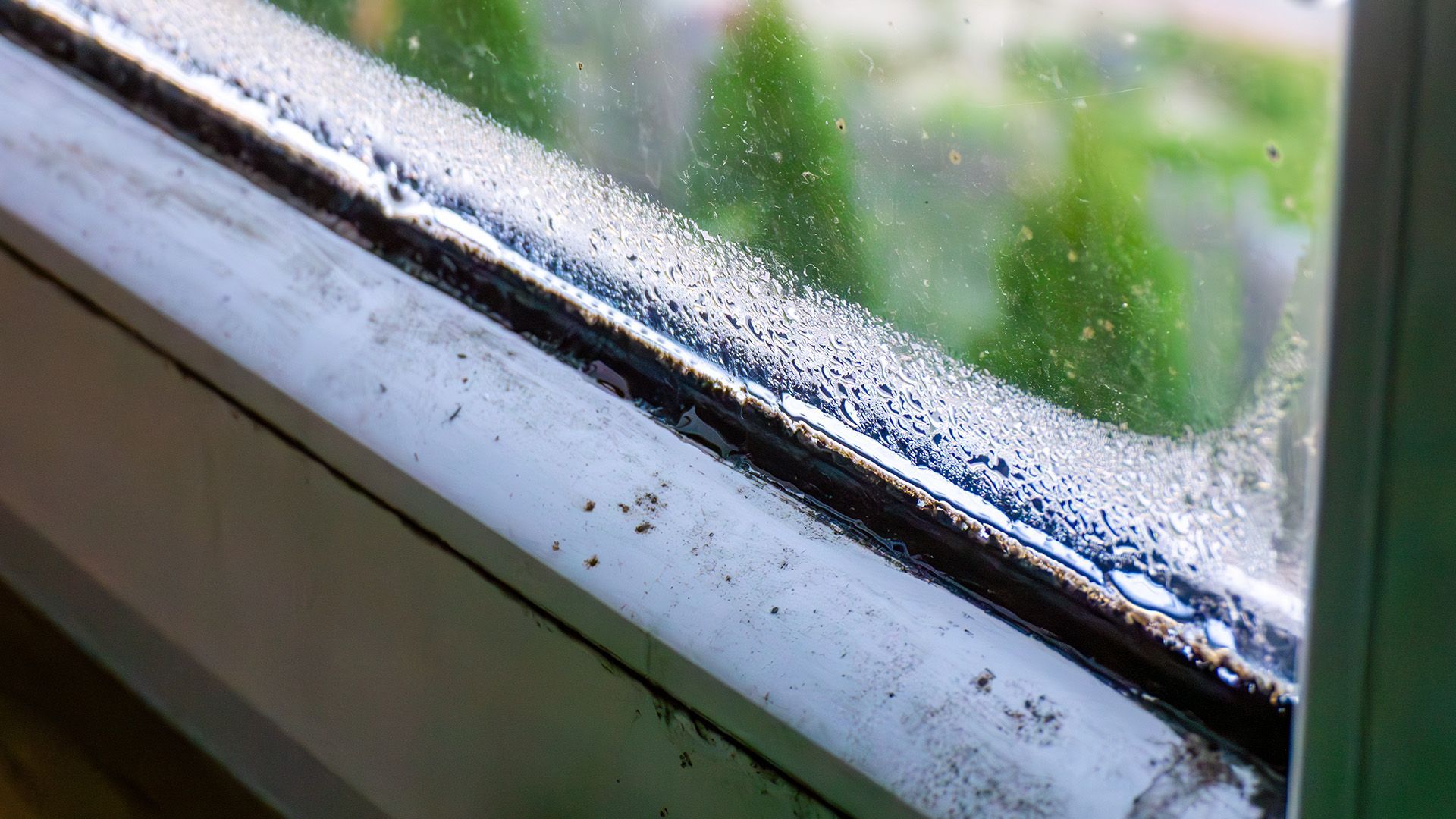
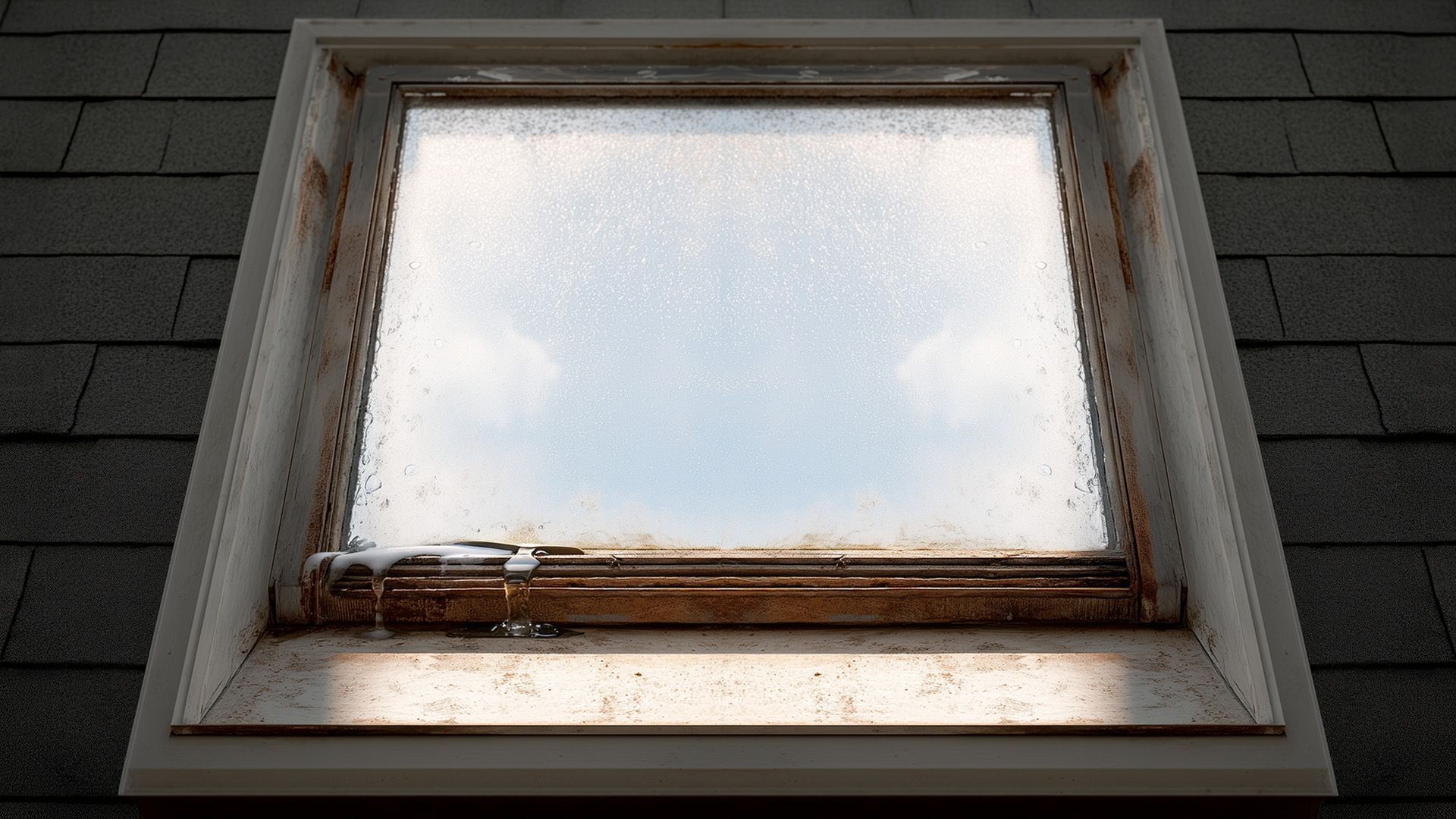
Also, foggy or cloudy glass is a separate issue. It may point to seal failure inside the window unit, which is different from a simple air leak around the frame.
Why Windows Become Drafty
Drafty windows are often caused by small openings or worn materials that let outside air enter your home. Understanding the cause matters because the best fix depends on where the air is coming from.
Common causes include:
- Worn or missing weatherstripping
- Cracked, dried, or missing caulk around the frame
- Small gaps around the trim or window frame
- Loose hardware that keeps the window from closing tightly
- Older window materials that have deteriorated over time
- Installation issues that leave hidden air leaks
In many cases, the draft is not caused by one big problem. It may come from several small issues working together.
Key takeaway
The right fix depends on the source of the draft. Instead of treating every drafty window the same way, it helps to match the problem to the likely cause.
Drafty Window Causes and Fixes
Here’s a simple way to connect what you’re noticing with a possible next step:
| What you’re noticing | Likely cause | Possible fix |
|---|---|---|
| Cold air at the edges of the window | Worn weatherstripping | Replace or adjust weatherstripping |
| Drafts near trim or frame gaps | Cracked or old caulk, small gaps | Re-caulk or seal small gaps |
| Airflow even when the window is closed | Loose sash or hardware | Tighten or adjust locks or hardware |
| Room feels colder near the window | Air leaks plus heat loss | Add insulation film and seal gaps |
| Draft remains after basic fixes | Deeper seal, frame, or installation issue | Consider a professional repair evaluation |
Many of these drafty window solutions may help reduce drafts, but the results depend on the age and condition of the window.
DIY Ways To Fix Drafty Windows
If the window is still in decent shape, a few high-level DIY steps may help improve comfort and reduce airflow.
Seal small gaps around the frame
If you can see or feel air entering around the frame or trim, sealing small gaps may help. This is often one of the first places homeowners start because those openings can let in a surprising amount of cold air.
Replace worn weatherstripping
Weatherstripping helps seal the moving parts of a window when it closes. If it is brittle, flattened, cracked, or missing, outside air may enter through the edges. Replacing worn weatherstripping can sometimes make a noticeable difference.
Make sure the window closes tightly
Some windows become drafty because the sash no longer closes as tightly as it should. Loose locks, latches, or hardware may allow a small gap to remain even when the window looks closed. Improving the closure may help reduce airflow.
Use temporary winter insulation options
If you need a seasonal solution, temporary insulation methods may help improve comfort during colder months.
Examples include:
- Window insulation film
- Removable sealing options
- Draft stoppers for certain areas
- Heavy curtains as an added comfort measure
These methods may provide a temporary solution, especially in winter, but they do not always solve the underlying issue.
What success usually looks like
A successful fix may not make an old window perform like a brand-new one. In many cases, success means:
- Less noticeable airflow
- Fewer cold spots near the window
- Better comfort in the room
- Improved energy efficiency during colder weather
How To Repair a Drafty Window Without Replacing It
Many homeowners worry that a draft means they need all-new windows. That is not always true.
In many cases, drafty windows can sometimes be fixed with simple sealing, weatherstripping, or minor repair work. If the glass and frame are still in workable condition, replacement may not be necessary right away.
This is especially true when the problem comes from:
- Minor frame gaps
- Old caulk
- Worn weatherstripping
- Hardware that no longer pulls the window closed properly
That said, if drafts return quickly after basic fixes, or if the window shows signs of deeper damage, repair may be the better long-term solution.
How To Stop Drafty Windows in Winter, Rentals, and Older Homes
Not every home situation is the same. Some homeowners need a temporary winter fix, while others may be renting or dealing with older windows.
How to fix drafty windows in winter
During winter, the goal is often to improve comfort and reduce heat loss as much as possible. Temporary sealing and insulation methods may help reduce drafts until a more permanent solution can be evaluated.
Focus on:
- Sealing obvious small air gaps
- Replacing worn weatherstripping
- Using interior insulation film where appropriate
- Adding heavier window coverings for comfort
These steps can improve insulation, though they may not fully solve structural issues.
How to fix drafty windows in a rental
If you rent your home, you may need reversible and low-damage options. Temporary weatherstripping, removable caulk products, and plastic insulation kits may provide a practical starting point.
If you suspect the issue involves frame damage, poor installation, or a window that will not close correctly, document what you are noticing and report it to your landlord or property manager.
How to fix drafty windows in older homes
Older homes often have aging materials, settled frames, or windows that no longer seal as well as they once did. In these cases, simple improvements may still help, but results often depend on the condition of the window.
Older windows may benefit from:
- New weatherstripping
- Small gap sealing
- Improved closure and latch adjustment
- Seasonal insulation support
If the materials are deteriorating or the frame is warped, the problem may indicate a larger repair issue.
Mistakes To Avoid When Fixing Drafty Windows
DIY improvements can help, but a few common mistakes can cause frustration or even make the problem worse.
Sealing the wrong areas
Not every opening around a window should be filled. Some areas are designed for drainage or ventilation. Blocking those areas can create moisture problems and may interfere with how the window works.
Assuming every draft is a simple sealing problem
Some drafts are caused by worn seals, damaged frames, or installation issues. If you only add temporary insulation without identifying the actual cause, the draft may keep coming back.
Sealing a window shut
Some temporary fixes can become too aggressive if they prevent the window from opening properly later. That can be especially frustrating when seasons change or when the window is needed for ventilation.
Ignoring loose or damaged parts
If the window does not latch tightly or has visible frame damage, surface-level fixes may only do so much. In many cases, the hardware or frame condition needs attention too.
When Drafty Windows Need Professional Repair
Sometimes a drafty window can be improved with basic fixes. Other times, the draft points to a deeper problem that simple sealing cannot fully solve.
Signs DIY fixes may not be enough
You may want to consider a professional evaluation if:
- Drafts continue after sealing gaps or replacing weatherstripping
- The window feels loose or does not close tightly
- There is visible frame damage or warping
- Airflow keeps coming through the same area
- The problem seems tied to aging seals or installation issues
In some cases, persistent drafts may indicate worn seals, damaged frames, or other issues that simple sealing cannot resolve. Professional window repair can help identify where air is entering and determine whether the window can be repaired or needs further attention.
What a repair evaluation can clarify
A repair evaluation can help answer a few important questions:
- Where is the air actually entering?
- Is the issue minor or more involved?
- Is repair practical?
- Would replacement only be considered if the damage is too extensive?
If you are in Jefferson City, Columbia, Lake of the Ozarks, or surrounding Mid-Missouri areas, a local glass team can help evaluate whether repair is the most practical next step.
When Window Replacement Might Be Necessary
Not every drafty window needs to be replaced. But in some cases, replacement may be worth considering.
This may happen when:
- The frame is badly damaged or warped
- The window materials have deteriorated significantly
- Repairs would not meaningfully improve performance
- Multiple issues are affecting function, sealing, and insulation at once
Acknowledging this limit is important. Some DIY fixes may provide a temporary solution, but they cannot reverse major structural wear or long-term installation problems.
What Fixing Drafty Windows Can and Cannot Do
It helps to have realistic expectations.
What these fixes can do
Basic draft-reduction steps may:
- Reduce airflow
- Improve comfort
- Help block cold air from windows
- Improve insulation in many cases
- Lower cold spots around the window area
What these fixes cannot always do
Even a good fix may not:
- Make an old window perform like a new one
- Solve severe frame damage
- Correct a major installation issue
- Permanently fix every draft without repair work
- Fully upgrade the energy performance of the entire window system
That is why the outcome depends on the condition of the window.
FAQs About Drafty Windows
How to stop cold air coming through windows?
You can often reduce cold air by sealing small gaps, replacing worn weatherstripping, improving how tightly the window closes, or using temporary insulation methods. The best solution depends on where the air is entering.
How do you permanently fix drafty windows?
A permanent fix depends on the cause. Some windows can sometimes be fixed with simple sealing or minor repair, while others may require professional repair if the draft is caused by damaged frames, failed seals, or installation issues.
How do I winterize old drafty windows?
Start by sealing visible gaps, checking the weatherstripping, and using temporary insulation methods that may help reduce heat loss. Heavy curtains may also improve comfort, though they are not a true repair.
How do I fix drafty windows in a rental?
Look for reversible, low-damage options such as removable weatherstripping or temporary insulation film. If the draft appears to come from a structural issue, it is usually best to document the problem and notify your landlord.
Where should you not caulk around windows?
You should avoid blocking areas designed for drainage or ventilation, such as weep areas. Sealing the wrong spot can trap moisture and create bigger problems. If you are unsure, it may be best to get professional guidance before sealing everything.
Final Thoughts
Drafty windows are frustrating, but they do not always mean replacement is your only option. In many cases, small improvements like sealing gaps, replacing weatherstripping, or adding temporary insulation may help reduce drafts and make your home more comfortable.
Still, the results depend on the condition of the window. If drafts continue after basic fixes, the issue may involve worn seals, damaged frames, or other repair concerns that need a closer look.
If you’re dealing with cold air coming through your windows or persistent drafts, contact Brady’s Jefferson City Glass Company to help identify the source and recommend the right repair options for your home. We proudly serve homeowners throughout Jefferson City, Columbia, Lake of the Ozarks, and surrounding Mid-Missouri communities.