How to Fix a Leaking Skylight: What to Check First
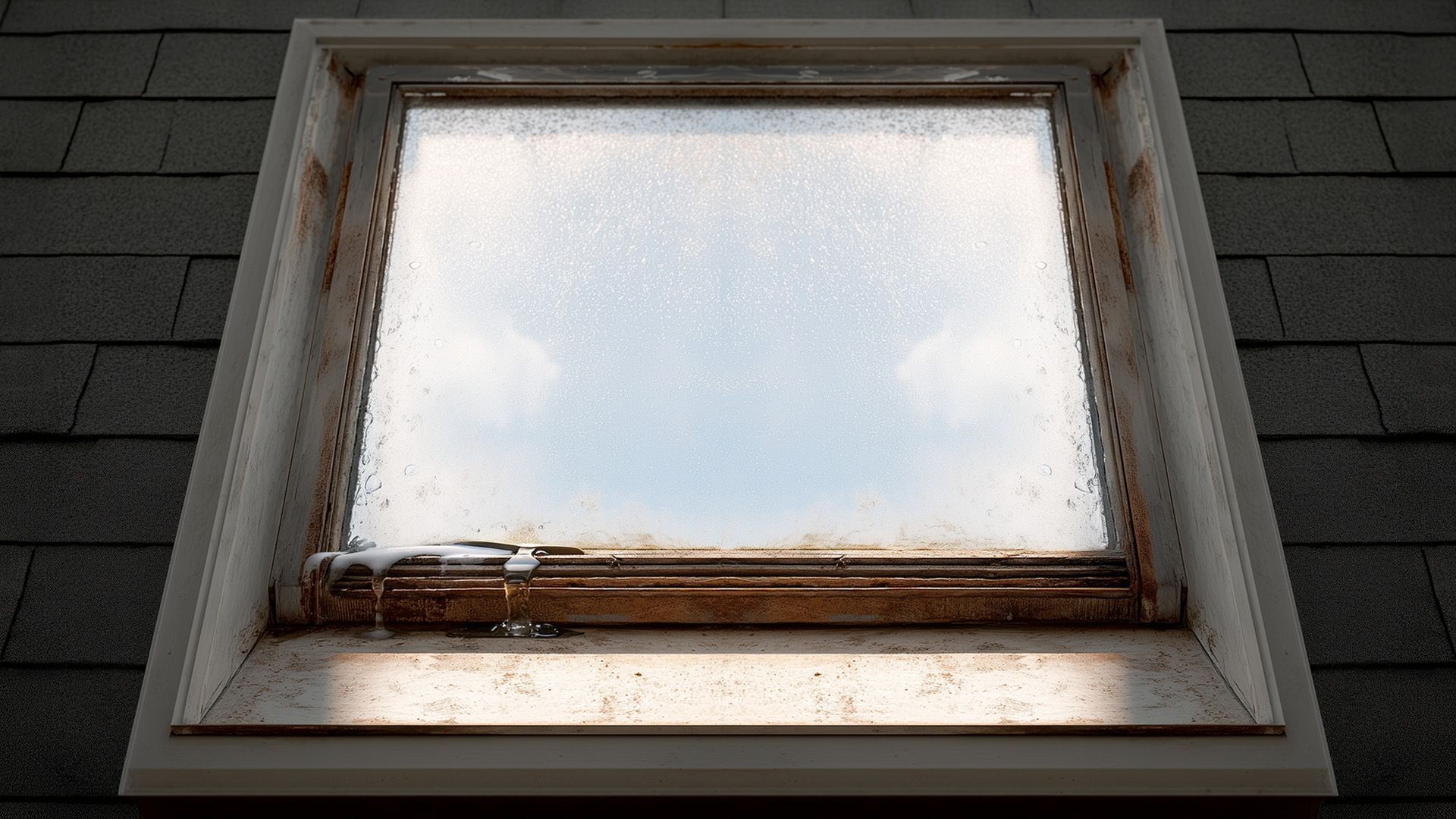
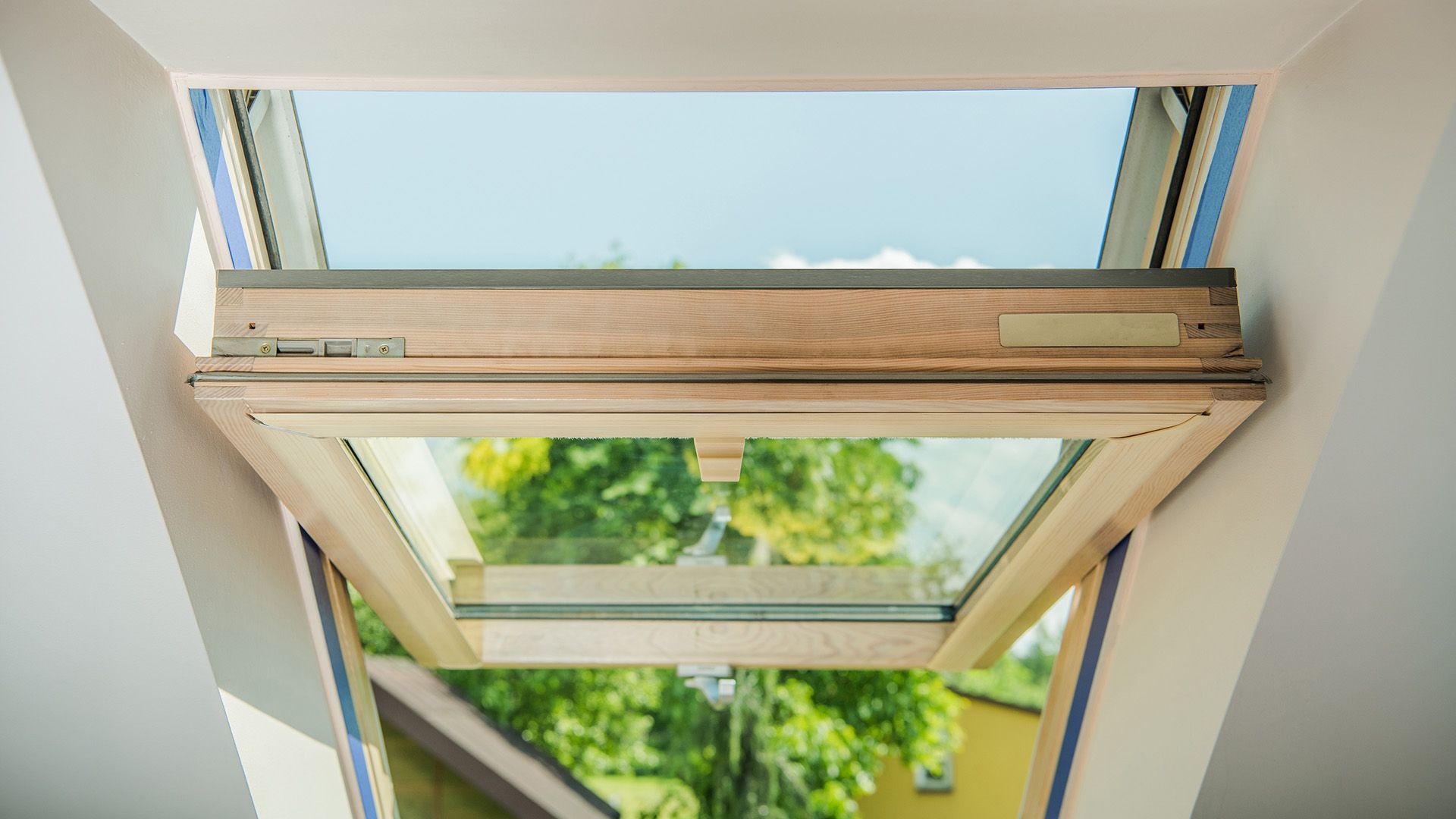
A leaking skylight gets your attention fast. One minute you're enjoying the natural light. Next, you've got a bucket on the floor, a stain spreading on the ceiling, and you're trying to figure out how to fix a leaking skylight before it gets worse.
Here's the thing about a "skylight leak": it doesn't always mean the glass is the problem. Water can come from the glass, the seals, the flashing, nearby roofing materials, condensation, or the unit itself.
So before you start guessing, or worse, smearing caulk around and hoping for the best, let's figure out where the water's actually coming from. Here's what to check first and when it's time to have someone take a closer look.
First, Figure Out Where the Water Is Coming From
Finding the source is step one, and it sounds obvious, but water's sneaky. It can enter in one spot, travel along framing or drywall, and show up somewhere else entirely.
Start by paying attention to when the leak actually happens. Does it only show up during heavy rain? After snow melts? On humid days? During cold weather? Those details matter. A leak that shows up during rain usually points to flashing, roof materials, worn seals, or something going on around the skylight itself. Moisture on the inside during cold or humid weather might just be condensation rather than an actual leak from outside.
You don't have to solve the whole thing yourself, but the more you notice, the easier it is to narrow down what's actually going on.
Common Reasons Skylights Leak
A leaking skylight can happen for a handful of reasons. Some are simple. Some aren't. And some only look simple until you've spent a Saturday afternoon making things worse. We've all been there.
Worn or Failed Seals
Skylights use seals to keep air and moisture where they belong. Over time those seals dry out, shrink, crack, or just lose their grip. When that happens, water works its way into areas it shouldn't. Failed seals can also trap moisture between the glass panes, which usually shows up as fogging or cloudy glass. If your skylight's older and you're seeing moisture between the panes, you're probably looking at more than a small surface leak.
Flashing Problems
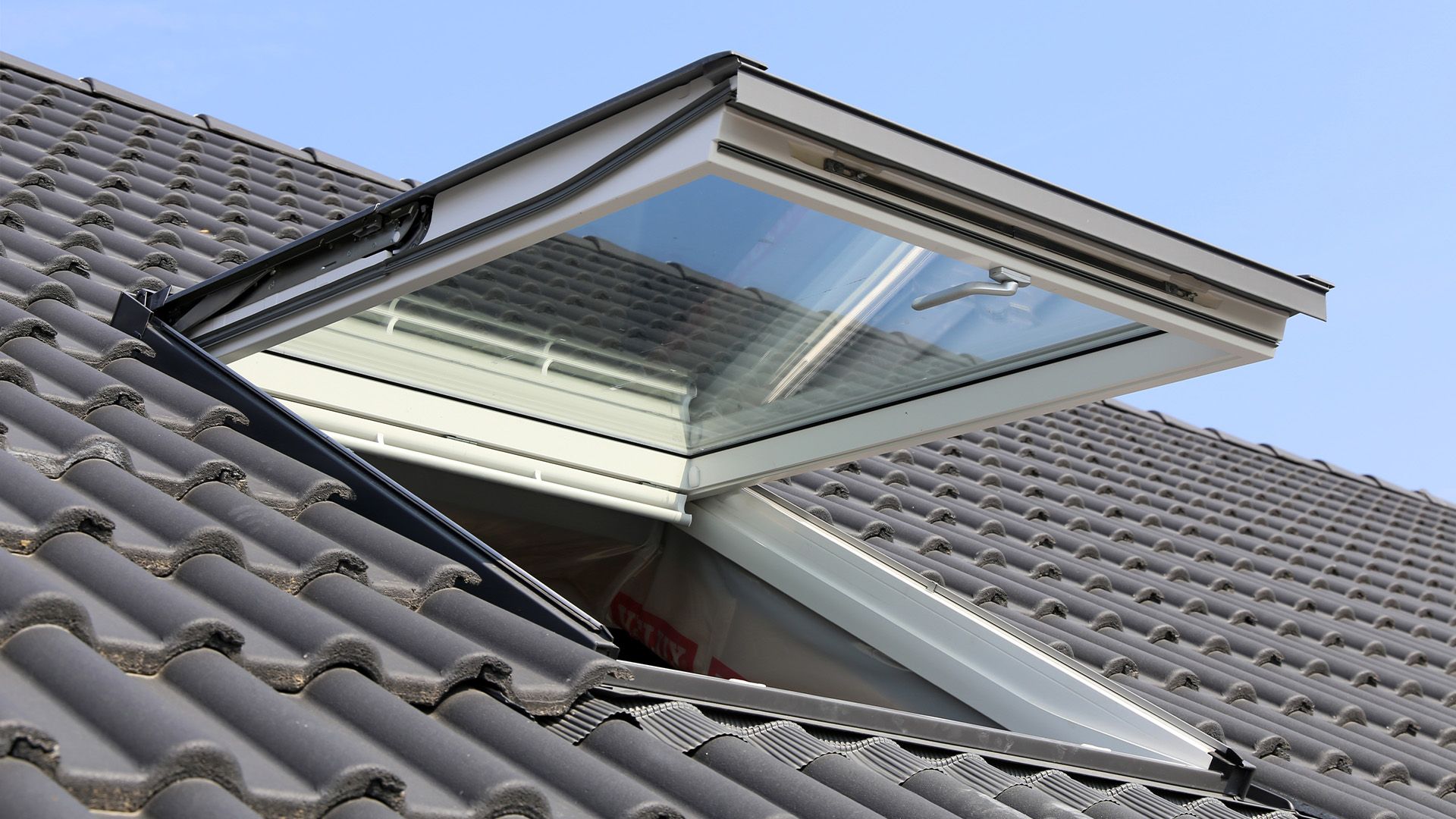
Flashing is the material around the skylight that moves water away from the opening. Think of it as the traffic cop for rainwater. If it's damaged, loose, poorly installed, or just worn out, water's going to go exactly where you don't want it. Flashing problems are one of the most common reasons skylights leak during rain, and this is one of those spots where guessing gets expensive. Sealant on top might hide the problem for a while, but it usually doesn't fix the actual cause.
Roof Issues Around the Skylight
Sometimes the skylight gets blamed when the roof's the real troublemaker. Damaged shingles, worn roofing materials, poor drainage, or debris buildup near the skylight can all let water in around the area. From inside the house, it still looks like the skylight's leaking. That's why the full area needs a look, not just the glass.
Condensation
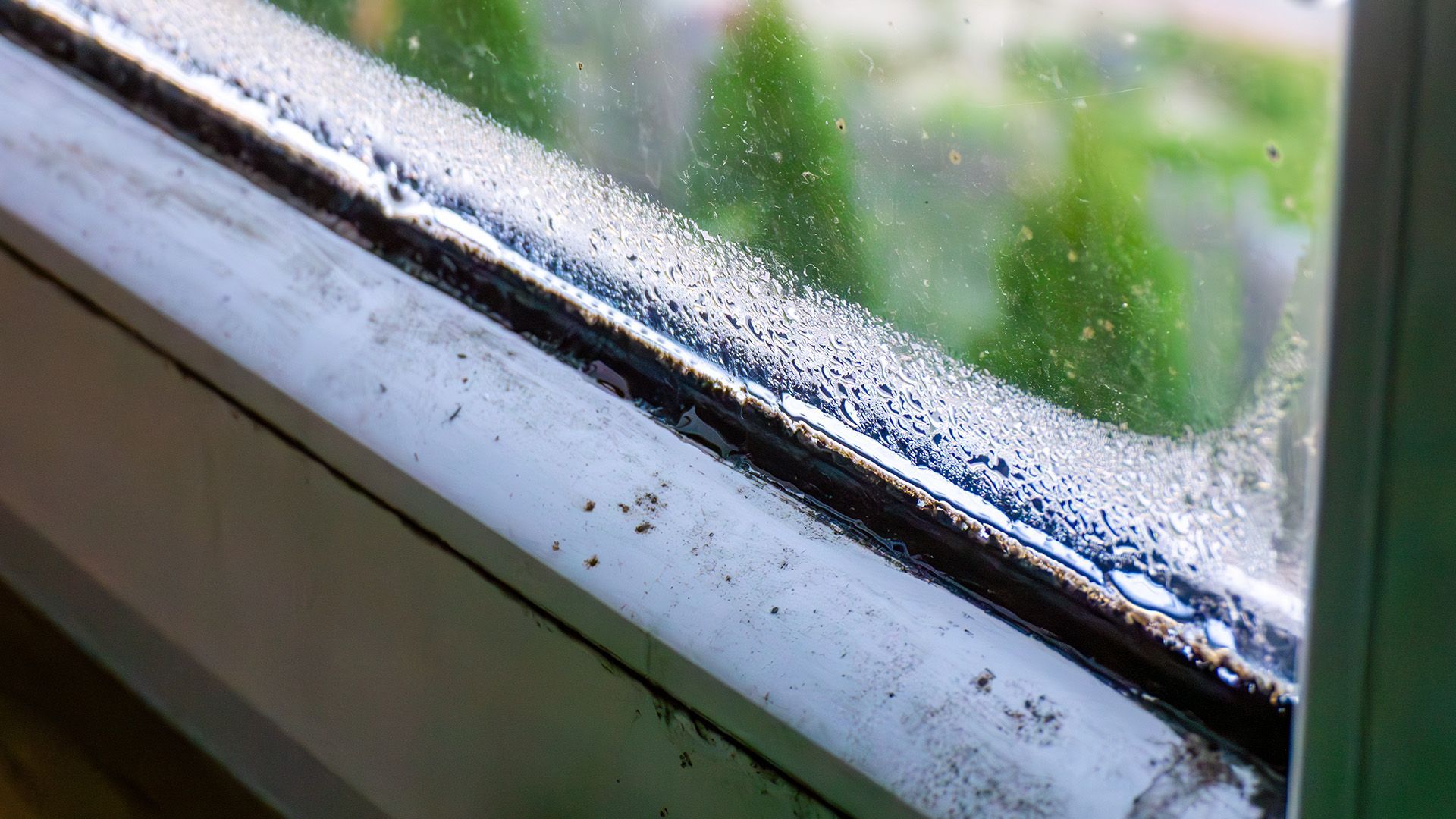
Not every drop of water around a skylight is a roof leak. Condensation forms when warm, moist indoor air meets a cold glass surface, and it happens more in bathrooms, kitchens, or any room with higher humidity. It can drip or collect around the skylight and look exactly like a leak, but the fix for condensation is different from the fix for an actual leak, so it's worth not mixing the two up.
Cracked or Damaged Glass
Cracked glass, impact damage, or a damaged unit can also cause problems. Even small damage can let moisture in or hurt the skylight's performance. If the glass is cracked, fogged between panes, or visibly damaged, it's probably time to look at professional glass repair or replacement.
What You Can Safely Check Before Calling Someone
You don't need to climb on the roof to gather useful information. Honestly, unless you're trained and properly equipped, staying off the roof is the smarter move. Gravity's got a pretty strict no-refund policy.
Here's what you can check safely from inside:
● Look for water stains around the skylight frame or ceiling
● Note whether the leak happens during rain, snow melt, or humid weather
● Check whether moisture is on the interior glass surface or between the panes
● Look for cracks, fogging, or visible glass damage
● Pay attention to drafts around the frame
● Take photos of the leak, stain, or damaged area
● Move furniture, rugs, or electronics away from the drip area
These details help a professional understand what's going on before they even start inspecting. What you should skip: pulling apart trim, removing flashing, climbing onto the roof, or applying random sealant as a permanent fix. A temporary patch might slow water down, but it can also trap moisture and make the real issue harder to diagnose later.
Can It Be Repaired, or Are You Looking at Replacement?
A leaking skylight doesn't automatically mean the whole unit needs to go. A newer skylight with one isolated issue, maybe a sealing problem or a specific component, usually just needs a targeted repair.
Replacement starts making more sense when the skylight is older (link to “How Long Do Skylights Last? Lifespan & Warning Signs” blog) and showing several problems at once: leaks that keep coming back after past repairs, moisture or fogging between the panes, cracked or damaged glass, worsening drafts or comfort issues, deteriorating surrounding materials, or a unit that no longer opens, closes, or seals properly. Age alone doesn't mean replacement. Age plus repeated issues is a different story.
A skylight with one small problem probably still has plenty of life left. A skylight with leaks, fogging, worn seals, and visible damage all at once is telling you something. It's not using words, but it's not exactly being subtle either.
This is where a professional evaluation earns its keep. The goal isn't to replace something just because it leaked once. It's to find the actual source and figure out whether repair or replacement makes sense for your situation. Brady's Jefferson City Glass Company provides window repair and glass replacement services, including skylight replacement, for homeowners who need help figuring out the right next step.
How to Prevent Future Skylight Leaks
You can't prevent every leak forever, but you can cut down the odds of a small issue turning into major damage.
The biggest thing is catching problems early. Water stains, recurring condensation, or small drips shouldn't sit ignored for months. Water tends to make itself at home, and it's not a polite guest.
It also helps to keep debris from piling up around the skylight area. Leaves, sticks, and dirt interfere with drainage and put extra stress on the surrounding materials. If your skylight's older, a periodic check can catch aging seals, glass issues, or flashing concerns before they turn into bigger problems.
If you're considering a new skylight altogether, proper skylight installation matters from day one. Good placement, sealing, and flashing make a real difference in how the skylight performs over the years.
Frequently Asked Questions
What do you do if your skylight is leaking?
Start by moving furniture, rugs, or electronics away from the area and placing a bucket or towel where water is dripping. Then look for signs you can safely check from inside, such as water stains, fogging between panes, cracks, or drafts. After that, it’s best to have the skylight evaluated so the actual source of the leak can be found.
What's the best way to seal around a leaking skylight?
It depends on where the leak's actually coming from. A leaking skylight may involve worn seals, flashing problems, damaged glass, roof issues, or condensation. Caulk or sealant might slow a leak for a short time, but it usually won't solve the real problem if the flashing, glass, or surrounding roof area is failing.
How long do skylights last before they leak?
A properly installed and maintained skylight can stay leak-free for many years, often 15 to 30 years total. Leaks can show up earlier if seals wear out, flashing fails, glass gets damaged, or the surrounding roof materials start breaking down.
Who should you call to fix a leaking skylight?
It's usually best to call a professional who can evaluate the glass, seals, flashing, frame, and surrounding roof area together rather than just the skylight itself. Brady's Jefferson City Glass Company can help homeowners in Mid-Missouri figure out whether the issue calls for repair, glass replacement, or full skylight replacement.
Not Sure Where the Leak Is Coming From?
If your skylight's leaking, getting a professional set of eyes on it sooner rather than later can save you from a bigger repair down the road.
Homeowners in Jefferson City, Columbia, Lake of the Ozarks, and surrounding Mid-Missouri communities can contact Brady's Jefferson City Glass Company at (573) 531-2157 for help evaluating a leaking skylight and understanding their repair or replacement options.